
Enterprises face rising challenges in energy management. Your utility bill, in effect, is playing a vicious game of “Guess the Price.” Furthermore, enterprises must now address growing regulatory and societal pressures to meet carbon reduction goals and ensure comprehensive ESG(Environmental, Social, Governance) compliance.
Industrial and commercial energy storage solutions address these issues by offering cost control, reliable backup, and renewable integration. It stands as a core solution that enables organizations to move toward greater stability and efficiency.
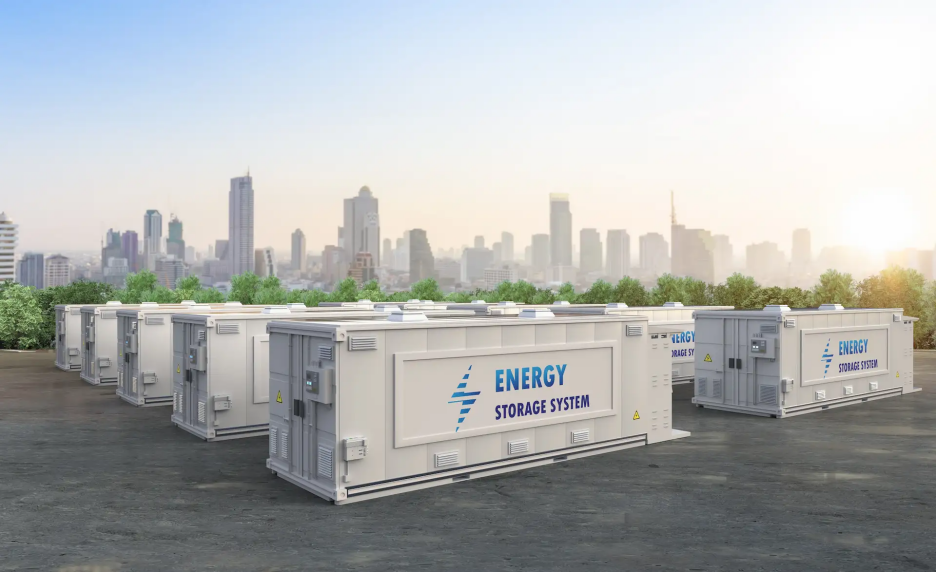
Core Benefits of C&I Energy Storage for Business
C&I energy storage systems provide businesses with powerful tools to optimize energy use, lower operational costs, and increase energy independence.
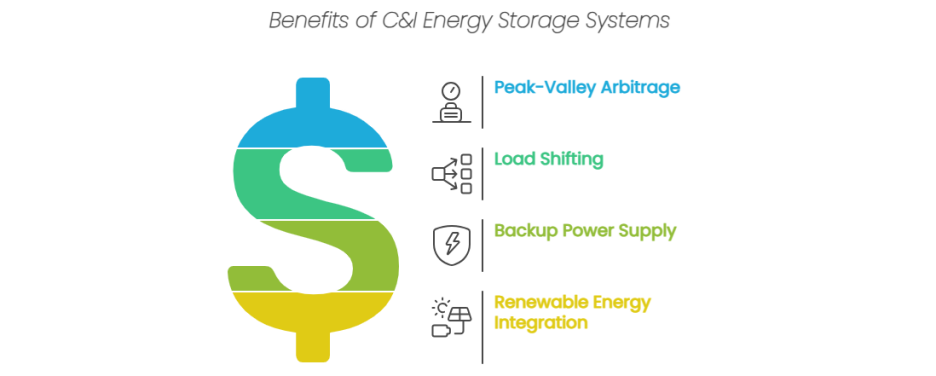
- One major benefit of using these systems is peak-valley arbitrage — charging batteries during off-peak hours when electricity rates are lower and discharging them during peak demand when prices are higher. This practice not only lowers utility bills but also helps companies stabilize their overall energy budget.
- Load shifting is another major benefit of using industrial and commercial energy storage systems—instead of relying on the grid during peak demand, businesses can use stored energy to balance consumption throughout the day. This prevents peak demand charges and reduces the strain on the grid, ultimately improving energy efficiency.
- Backup power supply is another key advantage of these systems, particularly in industries where uptime is critical. This capability is especially vital for sectors like manufacturing, data centres, and healthcare, where consistent power is non-negotiable.
- Renewable energy integration is another key feature of industrial and commercial energy storage systems. Solar and wind energy are essential for sustainability goals, but their inconsistent production presents challenges. These renewable energy storage solutions capture excess energy produced during low-demand periods and store it for use when production dips, such as during the night for solar power or when wind conditions are low.
These features combine to provide businesses with greater energy independence. Using them, you can reduce reliance on the grid, protect against instability, and adapt to fluctuating energy prices.
For enterprises looking to enjoy these benefits of the commercial and industrial storage systems, REPT BATTERO offers customizable energy solutions that are safe, scalable, and simple to integrate. From modular systems to high-capacity containerized units, our technologies are built for flexibility across different industries and grid conditions.
The 2 Most Mainstream and Mature Energy Storage Technologies (2026)
Here are the two most common types of battery energy storage systems:
1. Lithium-ion Battery Energy Storage Systems
Lithium-ion battery storage systems are the most widely used energy storage technology today, thanks to their high energy density, long cycle life, and reliability.
These batteries can store and discharge large amounts of energy efficiently, making them ideal for commercial and industrial applications. Lithium-ion battery energy storage systems offer a compact design, fast charge and discharge times, and exceptional performance over thousands of cycles.
2. Lead-acid Battery Energy Storage Systems
Lead-acid battery energy storage systems have been around for decades and are still in use today, primarily due to their affordability and familiarity.
While they offer a lower initial cost than lithium-ion systems, lead-acid batteries have a shorter lifespan and lower efficiency. Their bulkier design also takes up more space, making them less practical for larger or more demanding energy storage applications.
Further reading: What is the BESS System?
Lithium-ion vs. Lead-acid Battery Performance Comparison
| Comparison Dimension | Lithium-ion Battery | Lead-acid Battery | Analysis of Advantages and Disadvantages |
| Voltage (V) | Up to 3.7V[1,2] | ~2.0V[1] | The voltage of lithium-ion batteries is 1.5 to 3 times higher than that of other batteries[2]. |
| Energy Density (Wh/kg) | ≥70Wh/kg, with some large-capacity cells reaching 180Wh/kg[1,2] | ~30Wh/kg[1] | Typical lithium-ion batteries have more than 3 times the energy density of lead-acid batteries. |
| Cycle Life | Generally ≥2000 cycles or higher; service life 5–8 years, even up to 10 years | ~300–500 cycles; service life about 1–2 years | Lithium-ion batteries have a much longer cycle life than lead-acid batteries. |
| Charging Efficiency | ~95%-98% | ~80%-85% | Lithium-ion batteries have higher charging efficiency and lower energy loss. |
| Self-discharge Rate | ≤ 3% per month | ~15%–30% per month | Self-discharge is about one-fifth that of lead-acid batteries (i.e., slow discharge when not in use). |
| Initial Cost | High | Low | The investment cost of lithium-ion batteries is about 2–3 times that of an equivalent lead-acid battery. |
| Long-term Usage Cost | Excellent (long life, high cost-performance ratio) | Relatively high | Lithium-ion batteries last 4 times or more longer than lead-acid batteries. Even though the price is only about twice that of lead-acid, the overall cost is much lower. |
| Weight and Size | Lightweight and compact | Heavy and bulky | For the same energy, lithium-ion batteries weigh about 1/4 of lead-acid batteries. |
* The above data is based on typical operating conditions and publicly available information for reference only. Actual specifications should follow the product datasheet.
Why are Lithium-ion Batteries the Preferred Choice?
Among the different types of energy storage systems, Lithium-ion batteries are favoured for several key reasons:
- higher efficiency
- longer lifespan
- lower maintenance
Lithium-ion systems can handle more charge and discharge cycles without significant degradation. Additionally, their ability to charge faster and discharge more efficiently allows businesses to reduce costs and increase energy savings. As industries move toward more sustainable solutions, lithium-ion remains the preferred choice due to its superior energy density and compatibility with renewable energy integration.
However, emerging technologies such as sodium-ion and flow batteries are also attracting attention. While still developing, these technologies promise potential benefits in cost reduction, raw material availability, and scalability.
You might be interested in: New EV Battery Technology: Gain the Highest EV Competitiveness
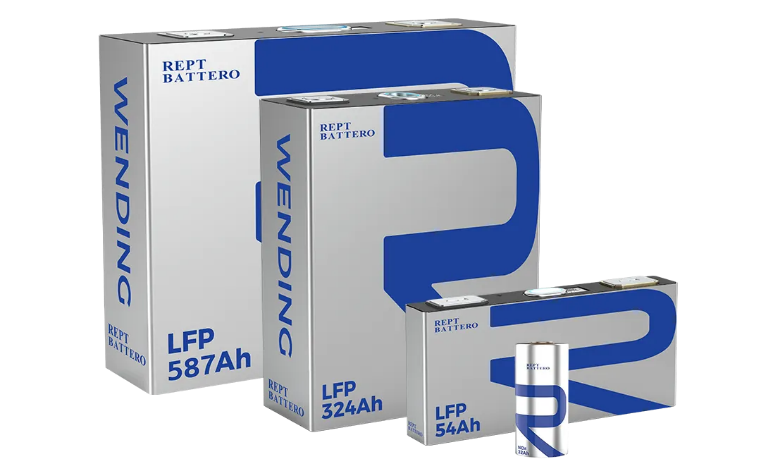
For businesses evaluating the right energy storage technology, REPT BATTERO provides advanced battery solutions designed for long-term reliability, high performance, and operational safety. We also ensure customizable system integration across commercial and industrial applications.
A Look at Commercial Energy Storage Success from REPT BATTERO
Since its founding in 2017, REPT BATTERO has positioned itself as a trusted partner in advancing commercial and industrial energy storage worldwide. With a strong foundation in lithium battery technology and large-scale system integration, we have developed solutions that combine safety, efficiency, and long-term durability.
Our portfolio spans battery cells, packs, cabinets, and containerized systems that are designed for seamless operation across industries.
As of 2024, we have successfully completed over 1,000 projects worldwide, covering power batteries and energy storage solutions.
View more successful cooperation cases:
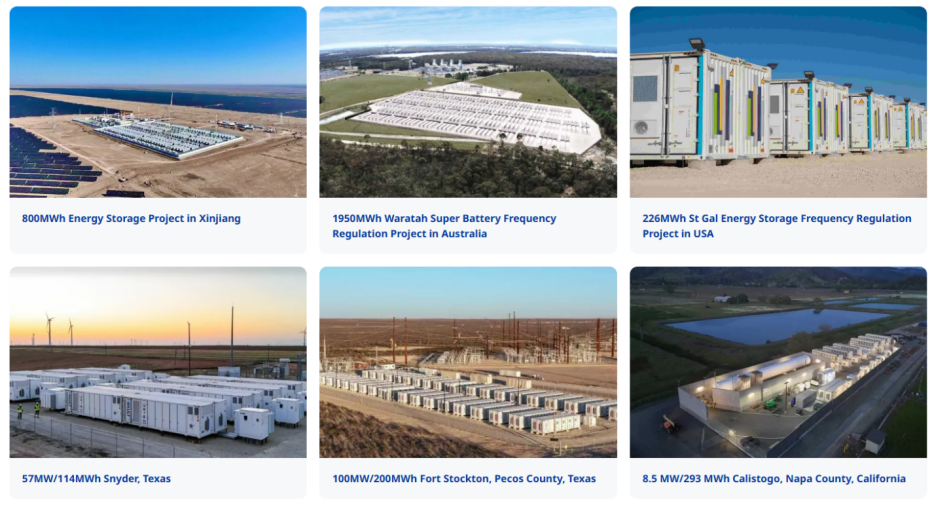
Notably, we have taken part in large-scale demonstration projects where our advanced containerized storage units proved their resilience under extreme testing conditions, earning recognition for both performance and safety.
With robust safety features, international certifications, and turnkey project support, REPT BATTERO helps organizations achieve energy independence.
FAQs: Your Most Pressing Questions Answered
Now, let’s have a look at some Frequently Asked Questions (FAQs) about the commercial and industrial storage systems:
Are energy storage systems safe?
Yes, modern commercial and industrial systems are built with multiple layers of protection. The batteries are engineered with stable chemistries, supported by intelligent battery management systems that constantly monitor temperature, voltage, and performance. Fire protection and emergency response designs are included to ensure risks are minimized.
What is the typical payback period?
The payback cycle depends on factors such as the scale of the project, electricity price fluctuations, and local incentive programs. In most cases, enterprises experience a clear recovery path as the system reduces peak demand charges, enables energy arbitrage, and supports renewable integration. Over time, these savings lead to a measurable return on investment.
How long is the lifespan of the energy storage system? What kind of maintenance is required?
Lithium-ion systems typically operate for 10 to 15 years, depending on usage patterns and operating conditions. Their maintenance is also straightforward. Routine inspections and system monitoring are essential, and advanced platforms now provide predictive alerts that help prevent failures before they occur.
Is the installation process complicated? Will it interrupt my normal production?
Most solutions are modular, allowing them to be set up in stages that align with your facility’s operations. Project teams conduct site assessments, design the configuration, and complete commissioning in a way that ensures your production continues without major interruptions.
Partner with REPT BATTERO
As the global shift toward sustainable energy accelerates, enterprises need storage solutions that are both dependable and adaptable. REPT BATTERO is among the distinguished battery energy storage system suppliers, bringing expertise in lithium battery innovation and deep experience in system integration.
Our commercial and industrial energy storage solutions are tailored to the evolving needs of businesses, ensuring high performance, operational safety, and long-term value.
References:
- 铅酸蓄电池和三种常用锂离子电池的性能比较. Available at: https://metalworld.ustb.edu.cn/cn/supplement/fbbaaabc-aa80-4fb1-98f3-19e5ea614a50
- What is a lithium-ion battery and how does it work? Available at: https://www.cei.washington.edu/research/energy-storage/lithium-ion-battery/